Snowy Roads? Driver Responsibilities
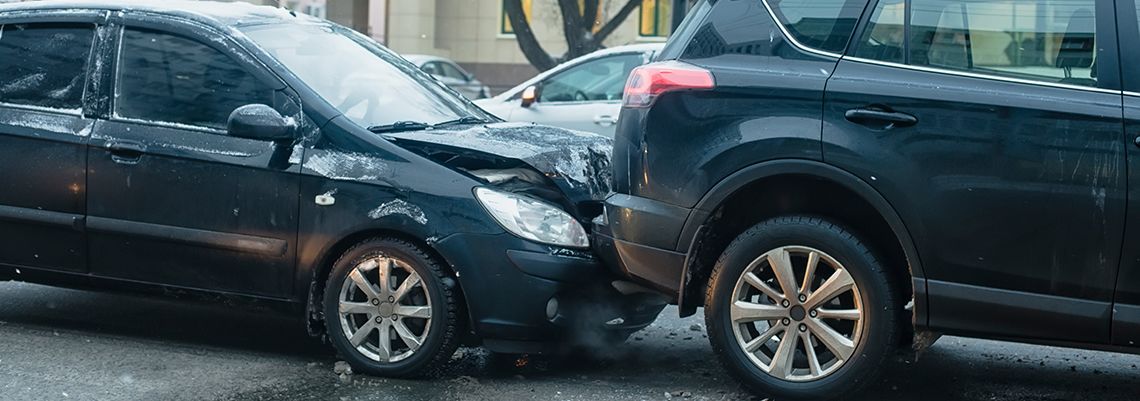
Winter driving in Wisconsin isn’t optional — it’s a reality every resident must face. Between heavy snowfall, icy roads, and unpredictable temperature swings, winter creates some of the most hazardous driving conditions in the Midwest. Every year, thousands of crashes occur statewide during snow events, many resulting in injuries that lead to complex insurance claims and personal injury cases. Understanding both safe winter driving practices and Wisconsin’s personal injury laws can help protect you on the road and preserve your rights if an accident occurs.
Why Snowfall Makes Wisconsin Roads So Dangerous
When winter weather hits, several factors come together to increase accident risks:
Reduced visibility from falling snow and blowing wind
Slippery surfaces, including black ice under fresh snow
Longer stopping distances, even at low speeds
Snow-packed roads that obscure lane markings
Other drivers who fail to adjust to conditions
Because these hazards are so common, Wisconsin law expects drivers to modify their behavior accordingly. Snow may make driving harder — but it does not remove a driver’s legal responsibility to operate safely.
Legal Responsibilities: “Reasonable and Prudent” Driving
Wisconsin’s rules of the road require drivers to travel at a speed that is reasonable and prudent based on current conditions. That means the posted speed limit is not a free pass during a snowstorm. If visibility is low or the road is slick, drivers may be legally required to drive far below the limit.
Failing to slow down during snowfall may be considered negligence, which becomes important if an accident occurs. Even if a driver claims they “slid on ice,” the law may still hold them responsible for driving too fast for conditions.
Additionally, drivers must:
Use headlights when visibility drops
Clear snow and ice from windows before driving
Maintain safe following distance
Exercise extra caution near intersections and bridges
Failing to do these things can be used as evidence of negligence in a personal injury claim.
Comparative Negligence in Winter Accidents
Wisconsin uses a modified comparative negligence system. This means fault can be shared between drivers — and a person can still recover damages as long as they are less than 51% responsible for the crash.
In winter weather, both drivers’ actions are closely examined. For example:
If one driver slid through a stop sign
And the other was speeding or following too closely
Fault may be divided between them.
This system makes documentation especially important during snowy accidents.
What to Do After a Snow-Related Accident
If you’re involved in a collision during snowfall:
Call 911 and report the accident.
Document weather conditions, road conditions, and visibility.
Take photos of tire tracks, snow buildup, and vehicle damage.
Exchange information with all drivers and witnesses.
Seek medical attention, even if injuries seem minor.
Contact a personal injury attorney who understands winter-related liability issues.
Because insurance companies often blame winter accidents on “bad weather,” victims must show how the other driver was negligent despite the conditions.
If you, or someone you know has been wrongfully injured, contact Buss Law, LLC today for a FREE consultation!
INJURED? “DON’T FUSS, CALL BUSS!”
CALL (414) 246-1000 TODAY!