Winter in Wisconsin: Essential Rules of the Road for Safe Seasonal Driving
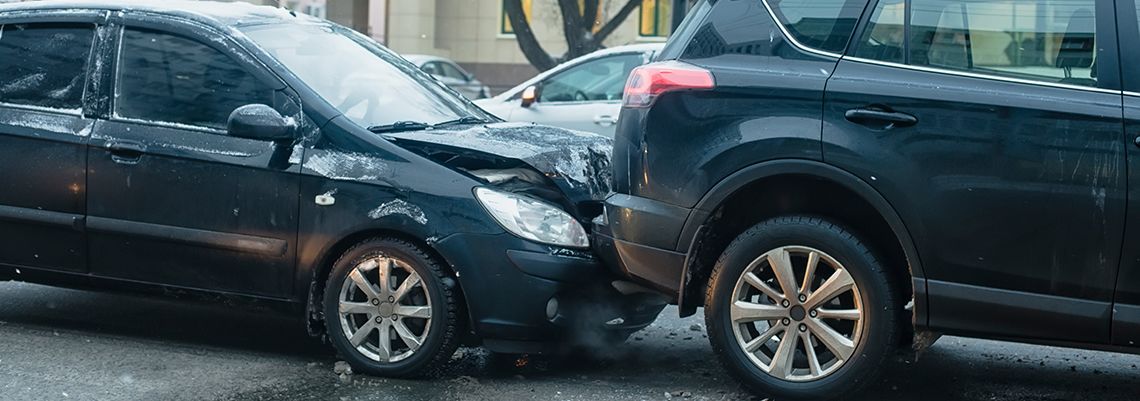
Winter in Wisconsin is not just a season — it’s a test of patience, preparation, and driving skill. When temperatures drop and the snow piles up, our roadways quickly become challenging for even the most experienced drivers. Each year, thousands of crashes occur across the state due to slippery pavement, reduced visibility, and unpredictable weather patterns. Understanding the rules of the road — both legal requirements and practical safety guidelines — is crucial for staying safe behind the wheel during Wisconsin’s longest and harshest season.
Slow Down and Adjust for Conditions
Wisconsin law requires drivers to operate their vehicles at a speed that is “reasonable and prudent” based on current conditions. This means that even if the posted speed limit is 55 mph, drivers may be legally obligated to go slower when roads are icy, visibility is poor, or snow is falling heavily. Too many accidents happen because drivers assume speed limits always apply — but in winter, conditions dictate the speed, not the sign.
Increase Following Distance
On dry pavement, a three-second following distance is usually enough. But in winter, Wisconsin safety experts recommend increasing that to five to six seconds. Snow, slush, and black ice dramatically increase braking distance, and many winter collisions occur because drivers simply don’t leave enough room to stop. A longer buffer gives you more time to react to sliding vehicles or sudden hazards.
Use Headlights Wisely
State law requires headlights to be on when visibility drops below 500 feet — roughly during snow, sleet, fog, or heavy overcast days. But safe winter driving goes beyond legal requirements: turning on your headlights in any snow or low-light conditions helps others see you sooner. Automatic headlights don’t always activate during snowfall, so it’s important to manually turn them on.
Clear Snow and Ice Before Driving
While not explicitly written in Wisconsin statutes as a ticketable offense, failing to clear snow and ice from your car can still lead to legal consequences. Snow blowing off a vehicle can obscure another driver’s vision or cause an accident, and drivers can be held liable if their uncleaned vehicle contributes to a crash. Clearing your roof, windows, headlights, taillights, and license plate is both a safety step and a responsibility to other drivers.
Avoid Sudden Movements
Winter conditions demand smooth, controlled driving. Abrupt braking, quick lane changes, and sharp steering can lead to skids and loss of control. Drivers should accelerate slowly, brake gently, and make gradual adjustments — especially at intersections where ice often hides beneath packed snow.
Know Wisconsin’s Winter Emergency Rules
During severe weather events, Wisconsin may issue Travel Advisories or Tow-Truck Delays, warning drivers of dangerous road conditions. In extreme cases, some counties advise staying off the roads entirely. If you decide to drive during a declared emergency, doing so carefully becomes even more important, as emergency response times may be longer.
Equip Your Vehicle for Winter
Carrying winter essentials — such as an ice scraper, shovel, sand or kitty litter, blankets, and emergency flares — is strongly recommended. Wisconsin winters are unforgiving, and roadside assistance may be delayed during storms.
Final Thoughts
Driving in Wisconsin winters requires patience, situational awareness, and a commitment to safety. Following the rules of the road — slowing down, increasing distance, using headlights properly, and preparing your vehicle — can reduce risks and keep you, your passengers, and other drivers safe during the long winter months. When the snow starts falling, the key rule to remember is simple: respect the conditions, or the conditions will take control.
If you, or someone you know has been wrongfully injured, contact Buss Law, LLC today for a FREE consultation!
INJURED? “DON’T FUSS, CALL BUSS!”
CALL (414) 246-1000 TODAY!